Accra/Ghana, 11.01.2015 WaterPower
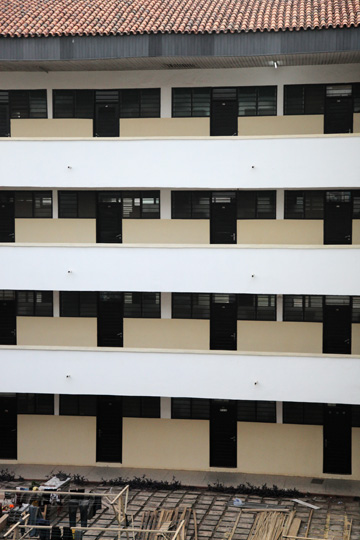
Day one - Student hostel
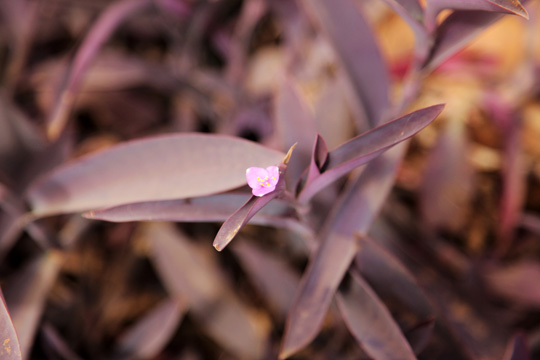
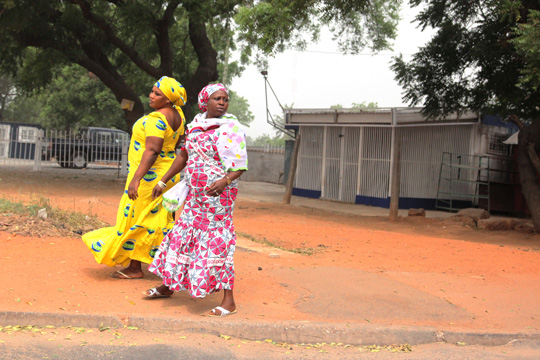
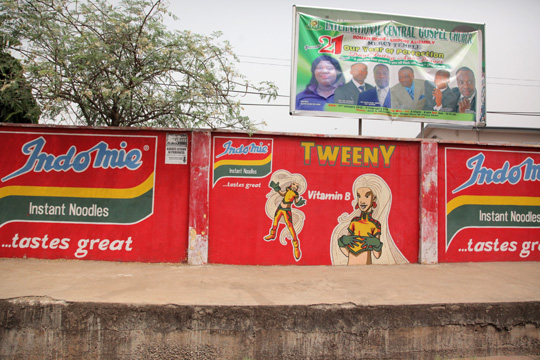
Nima
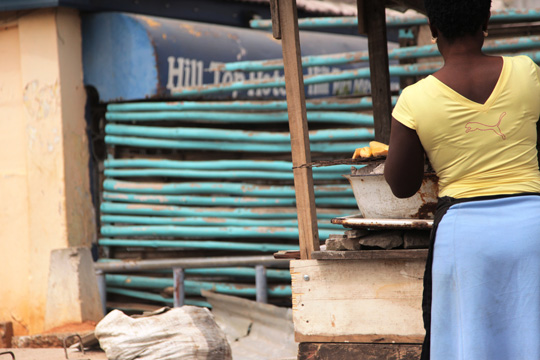
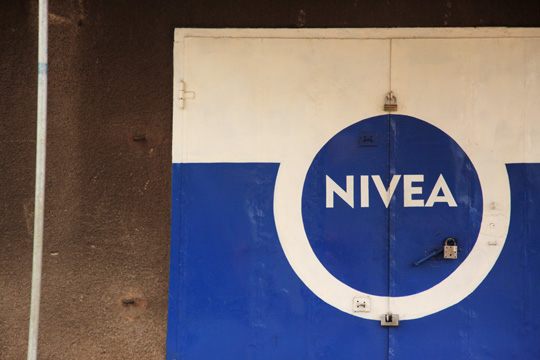
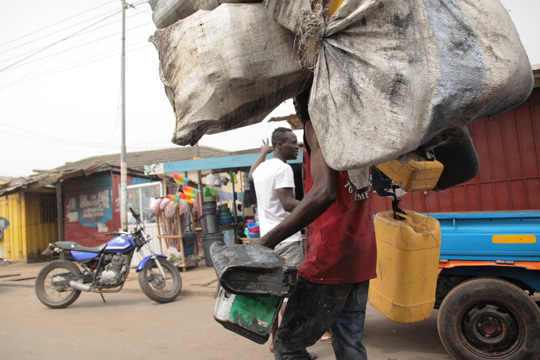
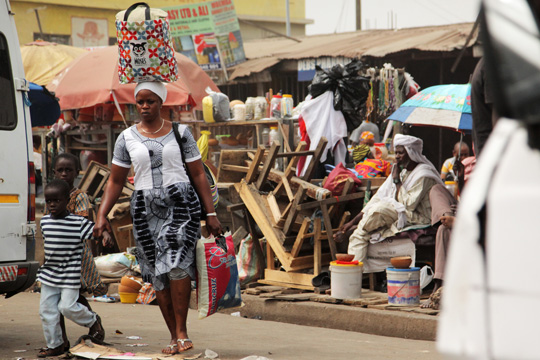
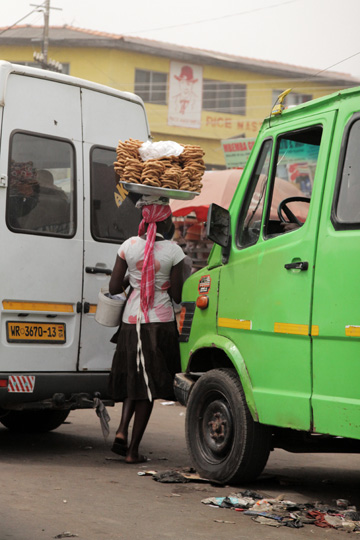

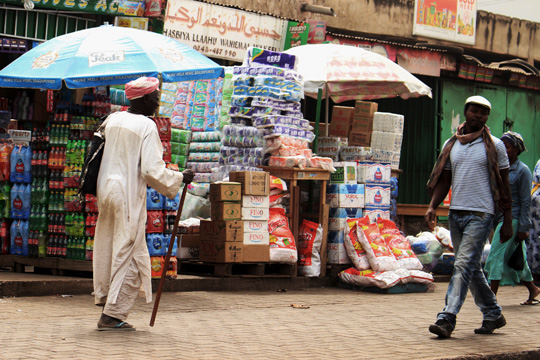

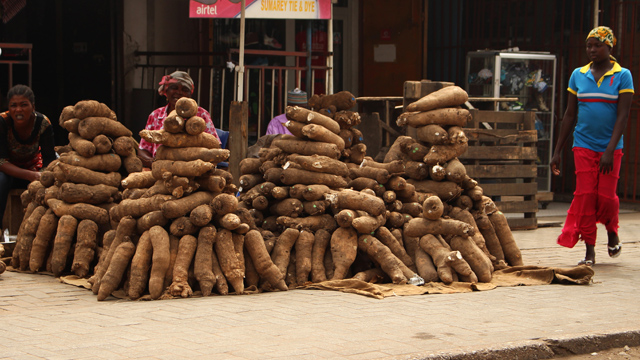
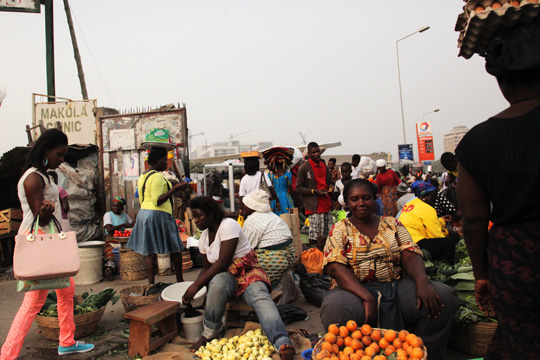
Makola market
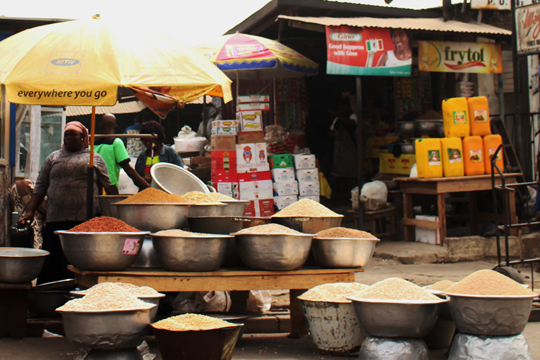

Beach

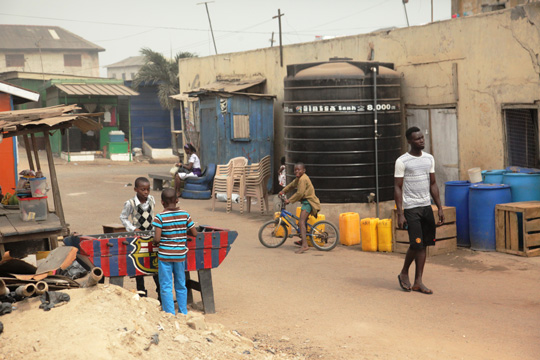
Jamestown
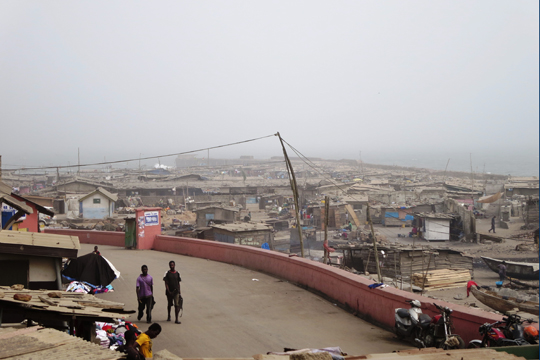

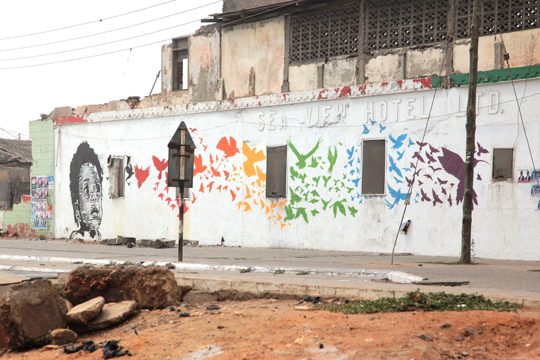
Day two - Night market
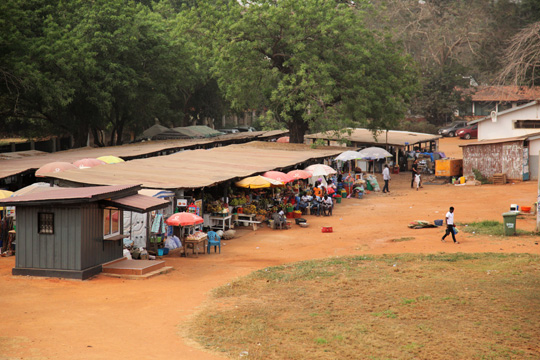
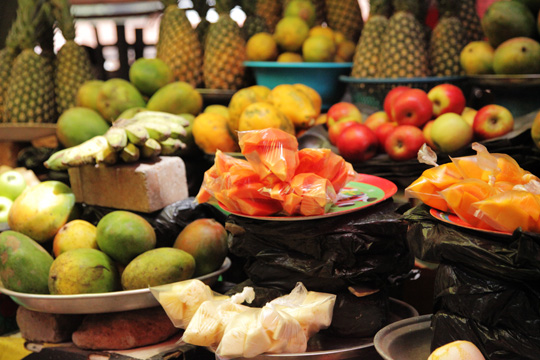
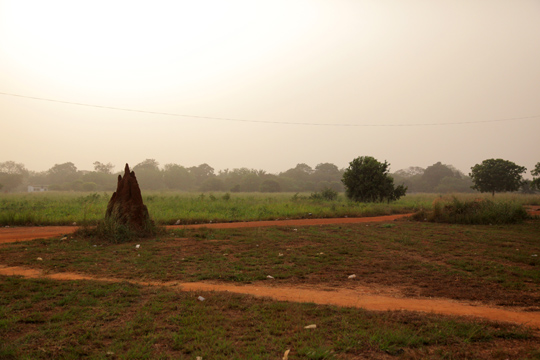
Day three - In front of the Environmental Protection Agency
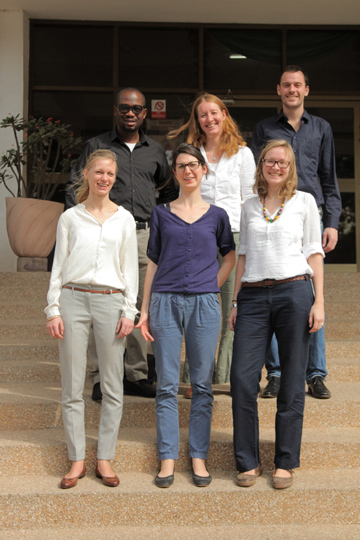
Jamestown
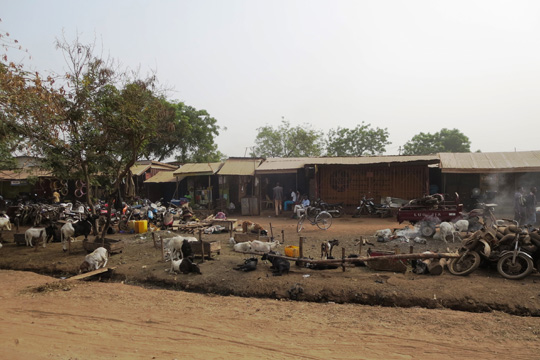
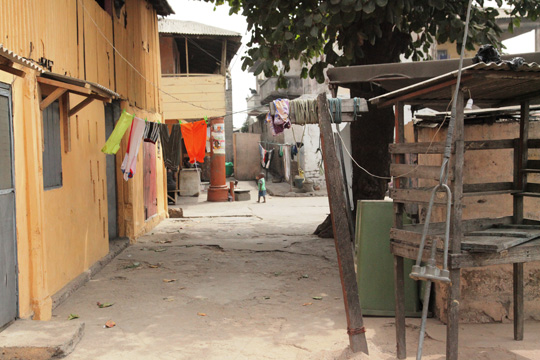
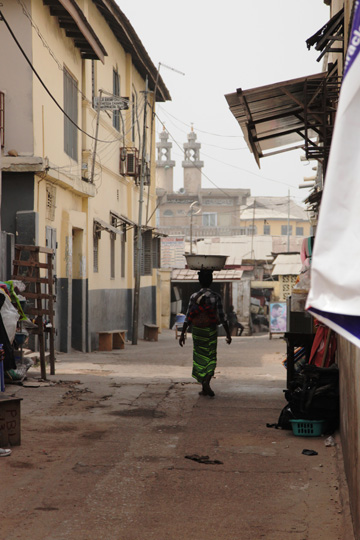
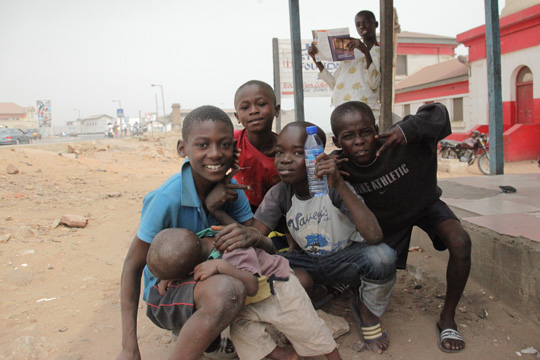

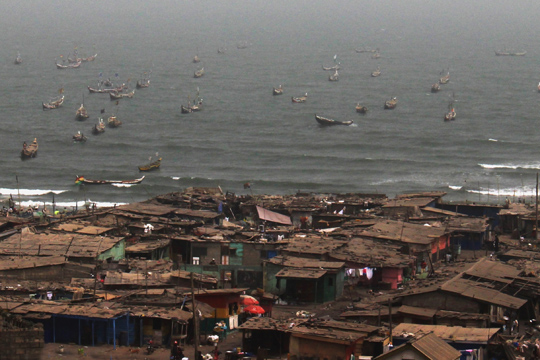
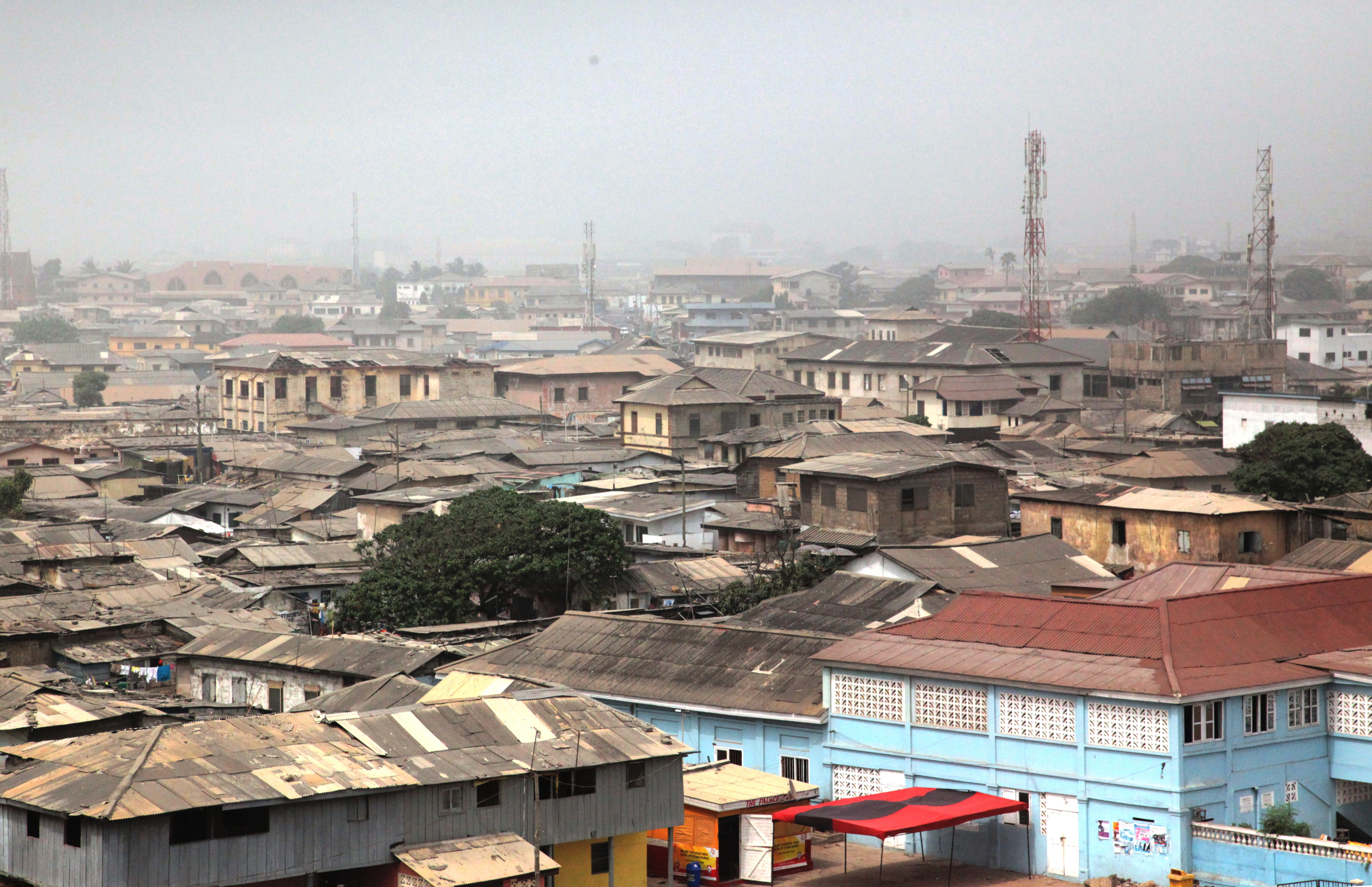

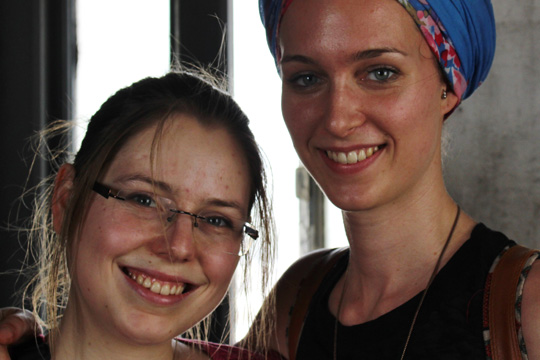
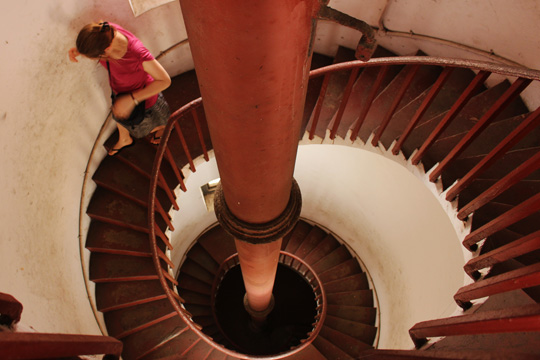
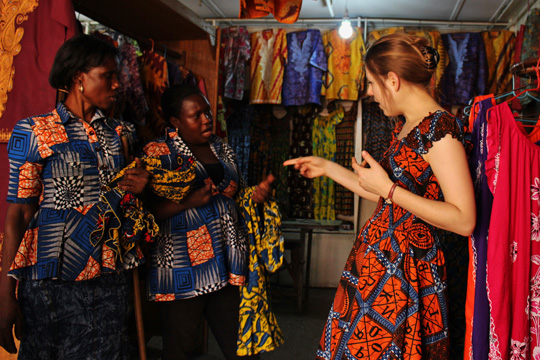
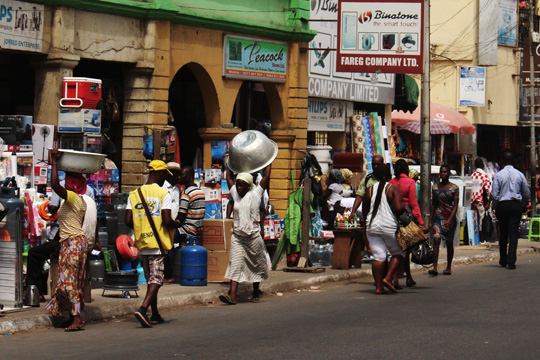
Around Makola
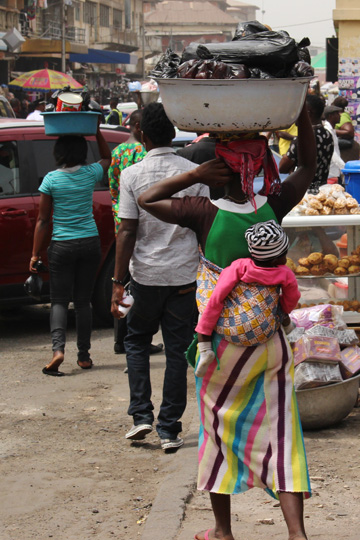
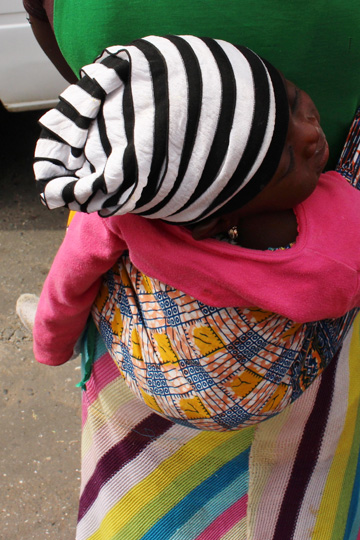
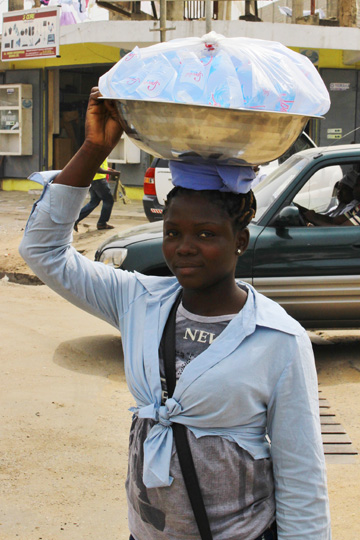
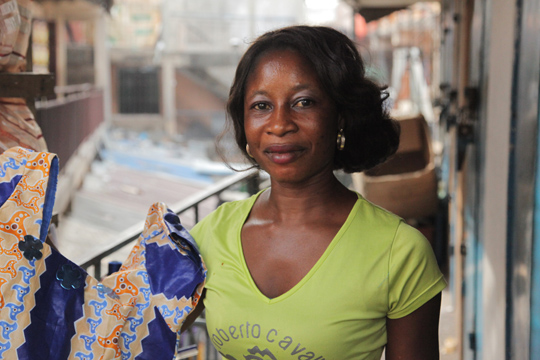
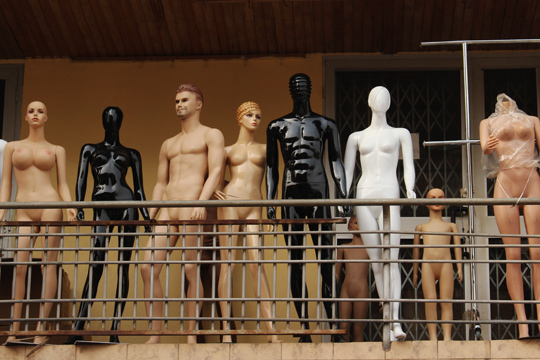
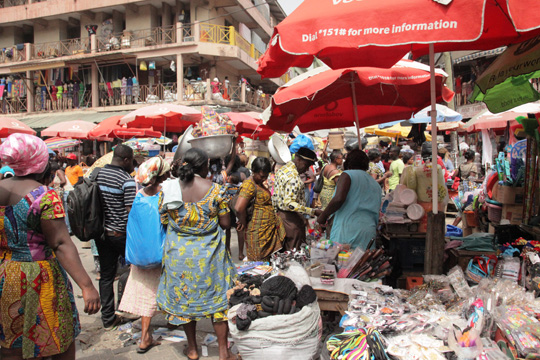
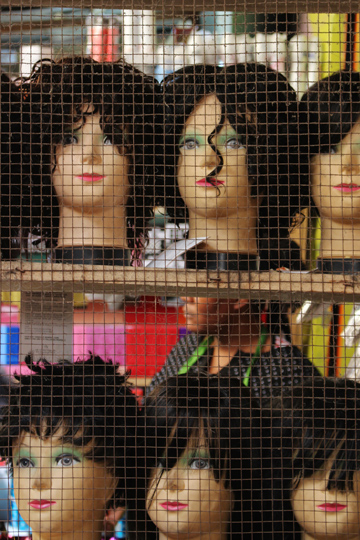


New Team station
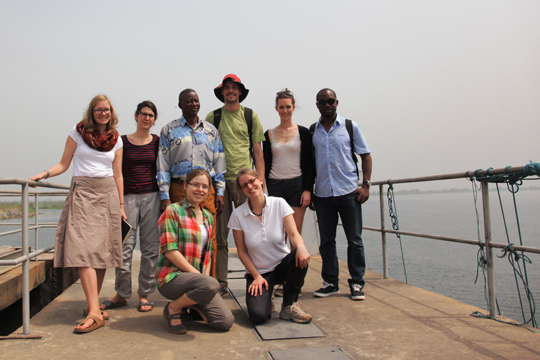
Day four - Visiting Kpong
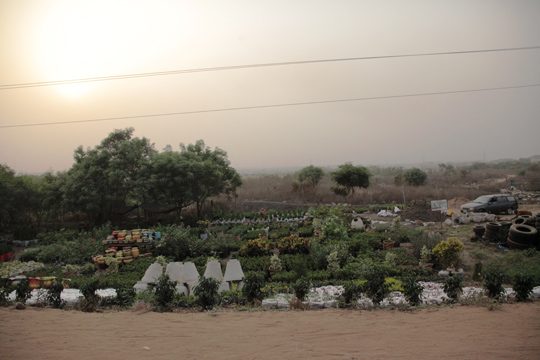
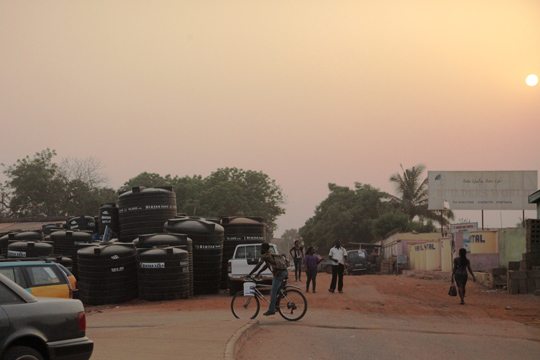
Day five - Visiting Weijia
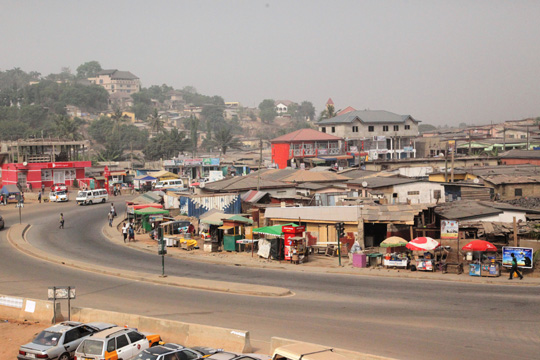
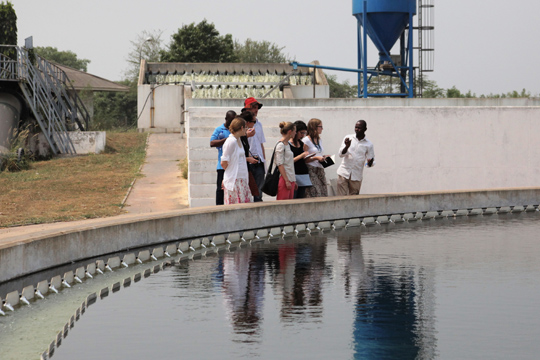
Visiting the Densu Delta
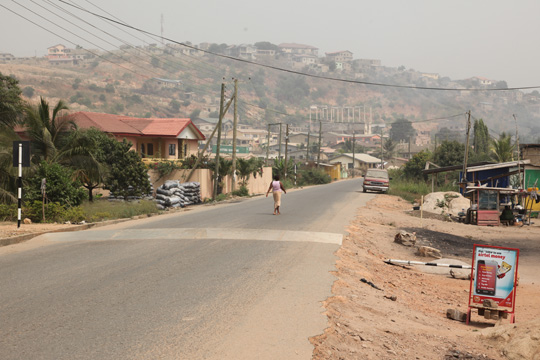
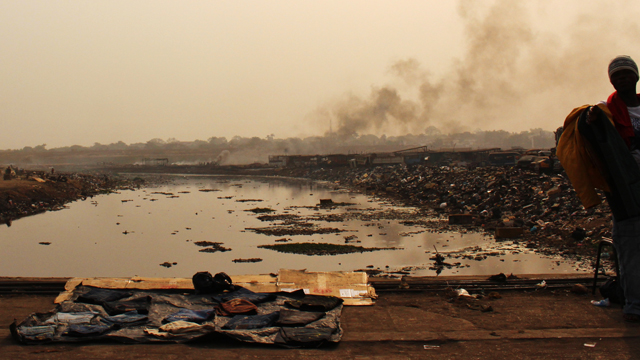
Day six - Lavender Hill
Alliance francaise
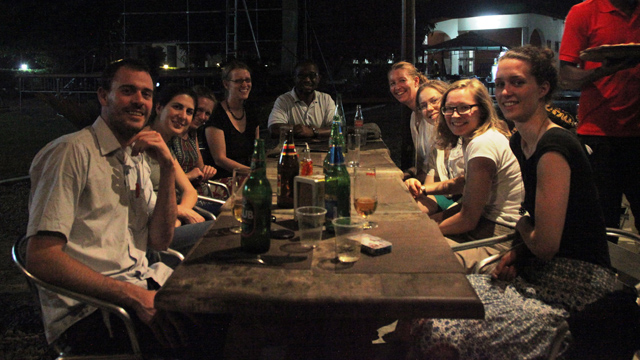
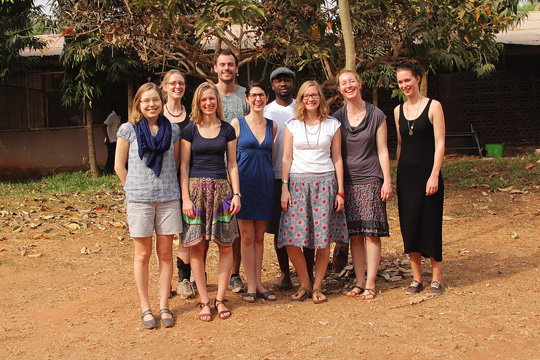
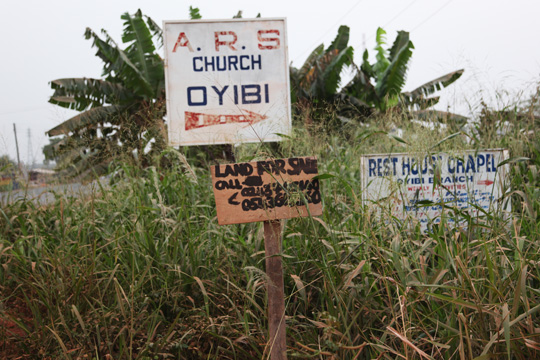
Day seven - Oyibi

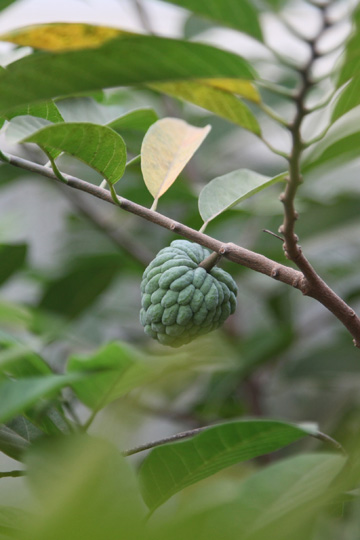
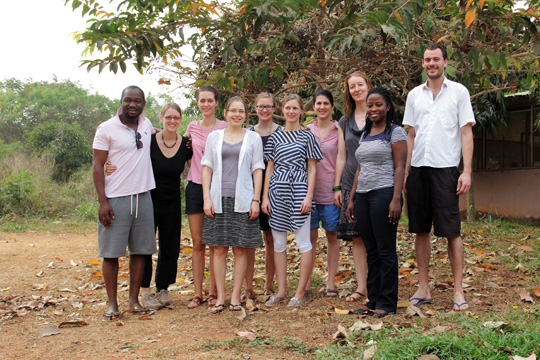
Day eight - Around Kotobabi
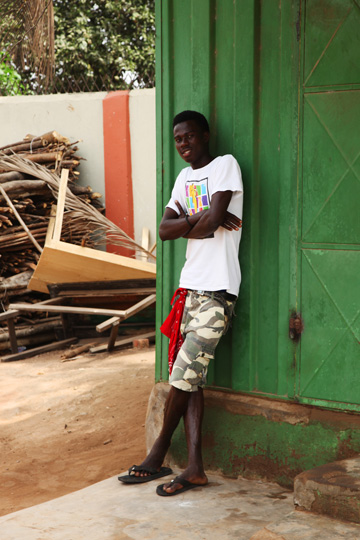
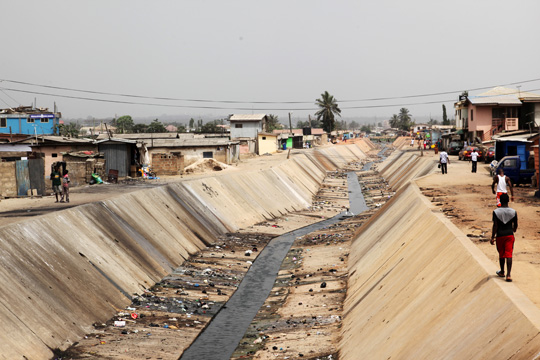
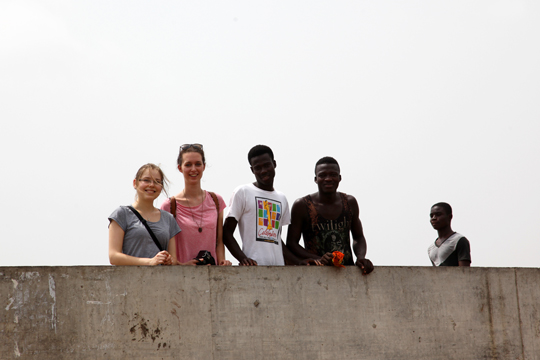
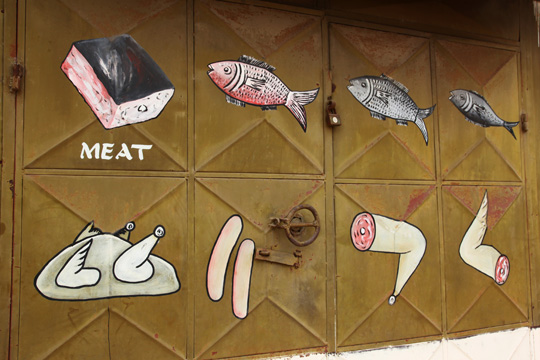
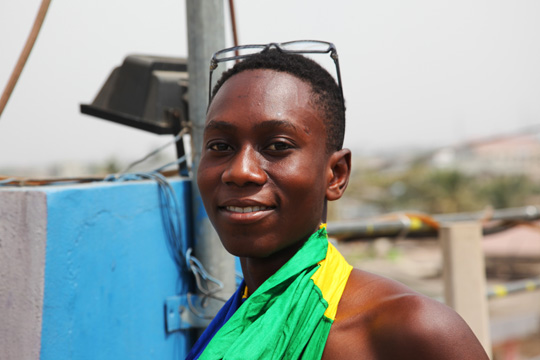
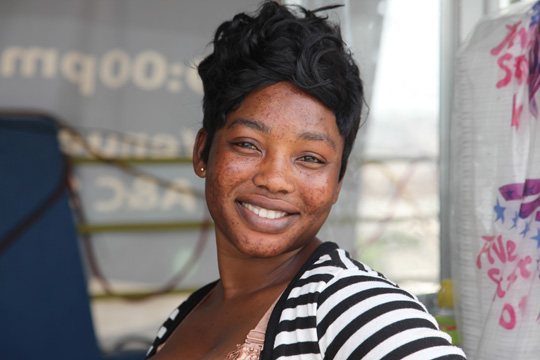
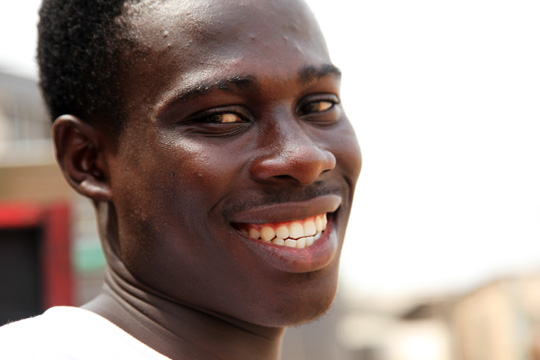
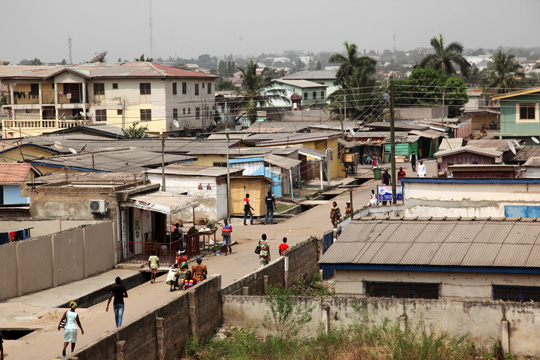
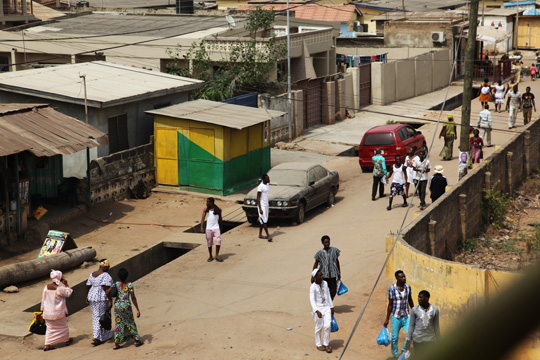
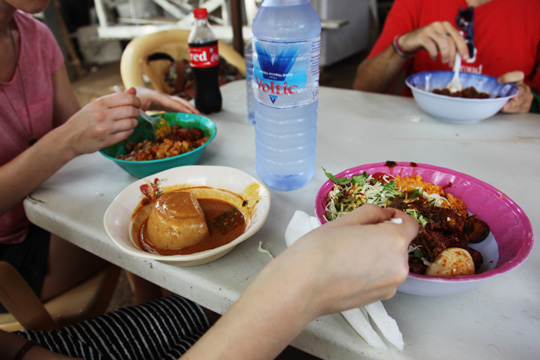
Traditional Ghanaian food
I visited Morocco at the age of seven, but I don't remember much apart from the frequent advises of my parents to keep doors and windows of our car shut at all times, because people were nastily trying to sell whatever they had to offer to basically everyone that came by. I remember funny stories about my own strange behaviour (I simply denied eating anything that ever came in touch with meat or fish) and my parents reaction to it (driving through southern Europe and Morocco for six weeks with one can of green peas for every day to be able to serve soup with green peas to me prepared on a gas cooker in various hotel rooms). I remember riding on a camel and jumping into sand dunes, and men wearing funny things on their head. I remember the guy who sold me my first carpet, crying while smoking a cigarette that this had been the last carpet his dearest sister wove before deceasing (I actually believed him). But still, that doesn't count as 'real' Africa experience. So I was pretty excited and nervous when boarding our flight to Accra with my working group WaterPower.
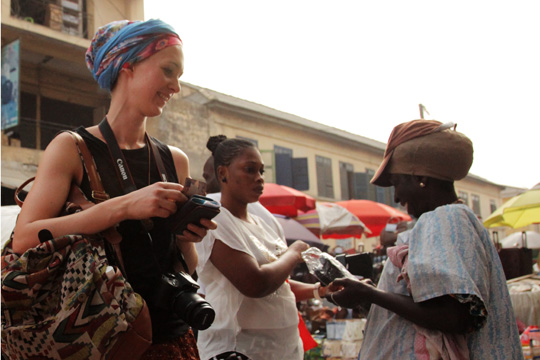
I don't want to get stuck in personal details, but I feel grateful to have the opportunity to be shown such a beautiful country as Ghana and in a way I feel responsible to at least capture the thoughts that came into my mind while walking the different neighbourhoods and share it with my beloved ones.
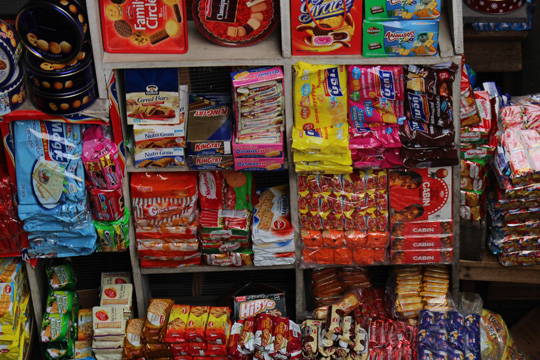
I feel somehow intrigued by the thought that it was European people who came and conquered most parts of Africa, but never invested in the local community. Like a kind of historical racism that is still pondering in a subtle but nevertheless strong way. I went to a big Ghanaian supermarket Ð my intention was to bring back a lot of funny food for my family to try that is not easily bought in Germany. And after walking all the pathways and looking at all the goods that were on sale, I ended up at the counter with just one package of peanuts covered in chocolate that were actually produced and sealed in Ghana. I could have found brown sugar, but it had been packed by 2 kg, and cocoa, also quite big, but the whole rest was just imported stuff: fish from Portugal, corned beef from France, baked beans from the UK, milk from France, chewing gum from the US. I knew that Africa has rarely any processing trade, but it never occurred to me in such a massive struck of awareness. Hence most of the products on sale had to be imported mostly from people who would make the most money from it, namely us, the Europeans.
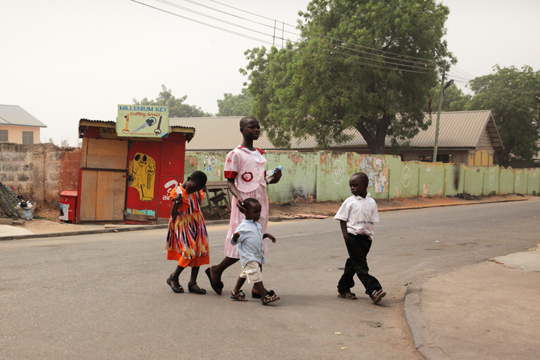
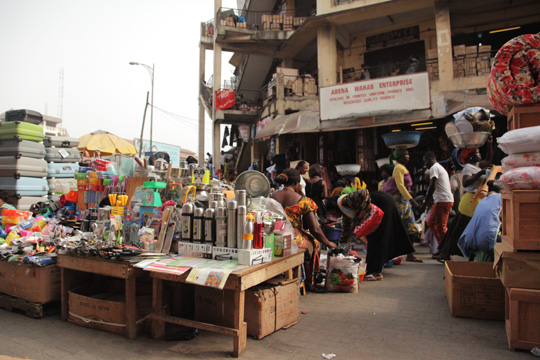
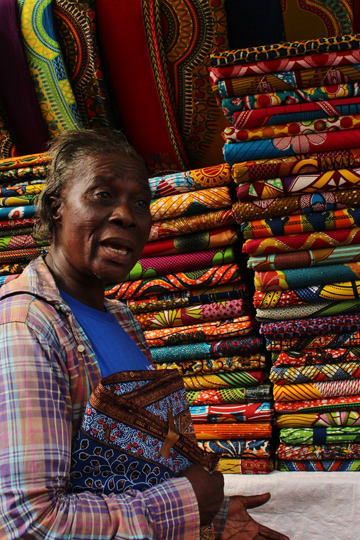
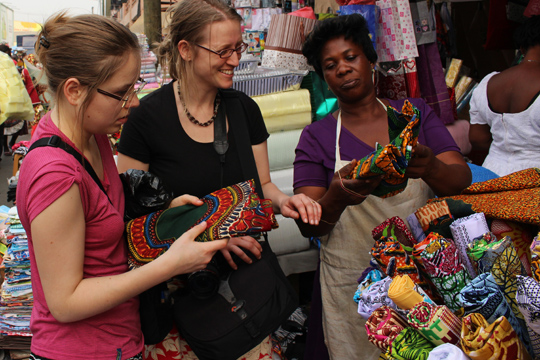
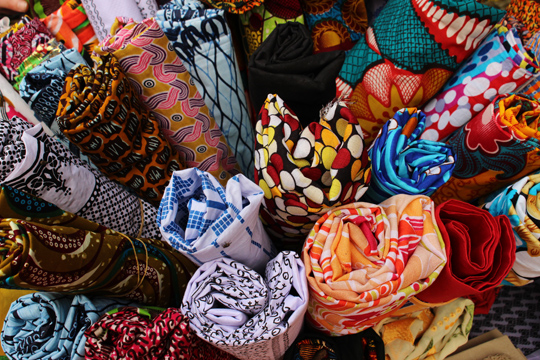
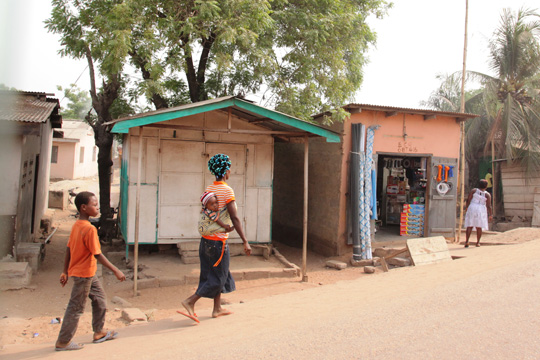
Apart from the smaller and bigger supermarkets, things did not really get easier. There were certain shops that sold certain stuff, but again, that stuff was either (hopefully local) fruits and vegetables, or imported goods, mostly made in China - and made of plastic. Walking the city streets for eight days, I saw no Ghana produced clothing apart from the typical tailored African dress that is rarely sold readymade. Of course, the fabric for that was sold in various places, but of the wax, I was told, more than 80% is nowadays produced in China and offered for so little, that the Ghanaian wax can hardly compete.
All the rest of the readymade clothes obviously came from some European collection of second hand clothes, abandoned after having been worn for one year or two by people who have the financial means to buy new stuff frequently.
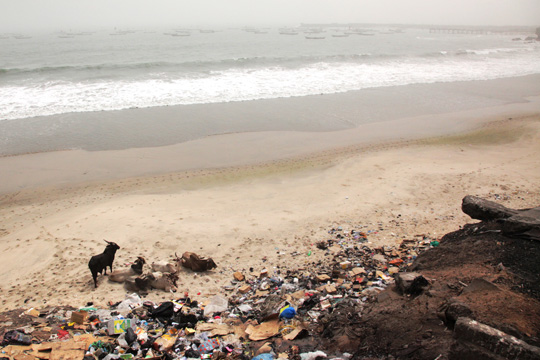
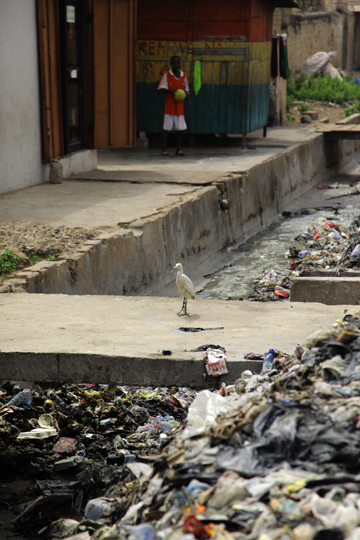
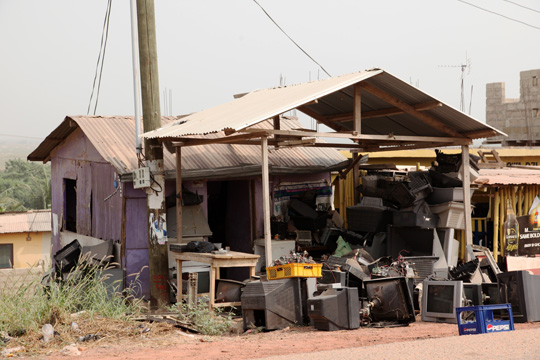
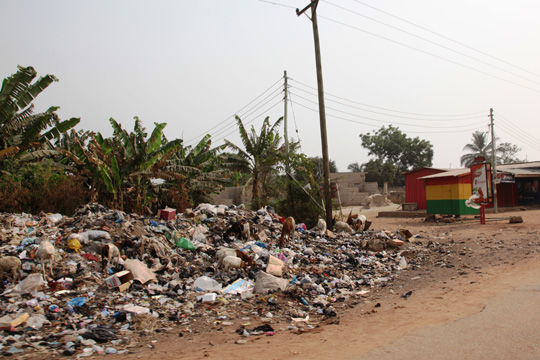
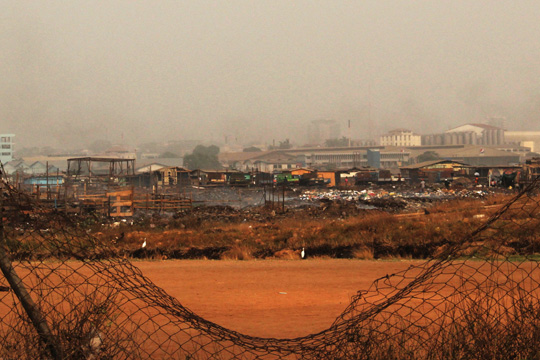
If it had only been the clothes! Even more heart-breaking to me was the sight of used toys, electrical appliances and abandoned car parts piling small markets, certain streets or the huge dump site with mainly e-waste on Lavender Hill. I had seen a couple of documentaries, but it was different and so much more intense to see with my own eyes that there is actually a spot right next to the ocean where shipload after shipload of stuff arrives from Europe we cheaply got rid of because we bought it carelessly and did not even mind that it was only built for short-time usage (i.e. electrical toothbrushes) since compared to our wages, things simply donÕt cost a lot. Compared to that, the amount of plastic from the water sachets used for drinking purposes seems ridiculously small.
Maybe we need every European to go and take a look. There is no apology for our behaviour, to finance our luxury lifestyle on the backs of foreign landscapes and the people depending on these landscapes. We praise ourselves in spending a lot on development aid, but instead of truly aiding local development, by helping small businesses in processing and producing local goods, we mainly focus on offering state-of-the-art machines without proper long-term monitoring.
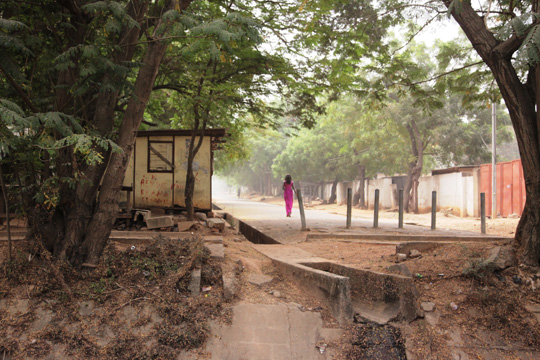
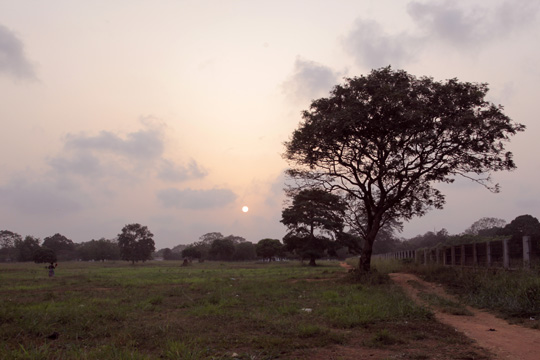
I know I am just a single human being with only a little at hand, but what I decided after that trip is that if I ever find myself with sufficient financial means, but without anything urgent on my to-do-list, I really would like to start an NGO that plants trees in metropolitan areas. It was frustrating to spend time in a country, where it is always hot and that is equipped with sufficient water, but no human ever inventing in planting trees that would, at least after some time, delight people who could walk beneath their shadow.